Prisca.Dev← Back to Work

Web Development · E-commerce · Fashion / 2026

Style Vogue

A premium women's fashion e-commerce platform combining editorial visual design with a responsive storefront, product discovery, cart and checkout experiences, and a scalable commerce administration foundation.

Role
Full-Stack Developer · Frontend Developer · UI/UX Engineer
Year
2026
Style Vogue project cover

Overview

The project focused on transforming a luxury editorial design direction into a functional commerce experience. The challenge was to maintain a minimal, high-fashion aesthetic while ensuring that product discovery, variant selection, cart management and checkout remained intuitive across desktop and mobile devices.

The challenge

• Maintaining an editorial luxury aesthetic while supporting practical e-commerce interactions. • Creating responsive layouts across desktop, tablet and mobile • Managing products with multiple size and color variants • Maintaining correct cart quantities and variant identity • Synchronizing cart state across browser tabs • Preserving stock-aware shopping behavior • Building a scalable relational commerce data model • Creating a checkout experience that remains simple on mobile devices • Balancing motion and visual effects with usability. • Preparing the platform for future CMS, payment and inventory expansion

The solution

• Production-ready responsive fashion storefront • Complete product browsing and product-detail experience • Functional variant-aware shopping cart • Responsive checkout and order-confirmation workflow • Scalable relational commerce database architecture • Reusable component-driven frontend • Production deployment through Vercel • Foundation for future admin, inventory and payment functionality

Process

01

The project was developed incrementally, beginning with the visual storefront and responsive design system before introducing product discovery, dynamic product pages, variant selection and cart functionality. Checkout functionality followed, after which the backend commerce architecture was established with Prisma and Supabase. Each stage was tested before progressing to preserve previously working functionality and reduce regression risk.

Technologies

  • Next.js
  • TypeScript
  • Supabase
  • React
  • Tailwind CSS
  • Next/Image
  • HTML5
  • CSS
  • Next.js App Router
  • Prisma ORM
  • PostgreSQL
  • Server-side application logic
  • VS Code
  • Git
  • GitHub
  • Vercel
  • Prisma

Key features

  • Responsive luxury fashion storefront
  • Editorial homepage
  • Product catalog
  • Category filtering
  • Product sorting
  • Dynamic product-detail pages
  • Size selection
  • Color selection
  • Stock-aware product variants
  • Quantity controls
  • Variant-aware shopping cart
  • Persistent cart state
  • Cross-tab cart synchronization
  • Responsive shopping bag indicator
  • Checkout workflow
  • Delivery and pickup options
  • Order summary
  • Bank-transfer payment workflow
  • Payment reference and proof flow
  • Order confirmation
  • Newsletter interface
  • Commerce database foundation
  • Admin and content-management foundation
  • Responsive mobile experience

My work

Work summary

Designed and developed the Style Vogue storefront from the ground up, translating the brand direction into a responsive e-commerce experience. Work included interface architecture, reusable frontend components, product browsing, dynamic product pages, variant-aware cart functionality, checkout flows, responsive behavior, database architecture and the foundation for administrative content and commerce management.

Responsibilities

  • • Frontend architecture and implementation
  • • Responsive UI development
  • • UI/UX implementation
  • • E-commerce storefront development
  • • Product and category experience
  • • Product variant selection
  • • Cart architecture and state management
  • • Checkout workflow development
  • • Database architecture
  • • Supabase integration
  • • Prisma data modeling
  • • Admin/CMS foundation
  • • Performance optimization
  • • Responsive testing
  • • Production deployment

Contribution

Led the end-to-end implementation of the platform, from product architecture and interface development through commerce functionality, database modeling and production deployment. I established the reusable frontend system, implemented responsive storefront interactions, developed the cart and checkout experience, designed the underlying commerce data structure and prepared the application for future administrative and payment capabilities.

Build

Frontend

Built the storefront using Next.js, React and TypeScript with a reusable component architecture. Developed the homepage, shop interface, category filtering, product-detail pages, product variant controls, cart, checkout and order-confirmation experiences. Implemented responsive image handling, mobile navigation, interaction states and editorial motion while maintaining a consistent luxury-fashion visual language.

Backend

Established the backend and data foundation for a scalable commerce application using Supabase, PostgreSQL and Prisma. Structured data models for products, variants, categories, collections, customers, orders, order items, payments, promotions, newsletter subscribers, inquiries, administrators and site settings.

Database

Designed a relational commerce data model capable of supporting product catalogs, product variants, categories, collections, customers, order records, immutable order-item snapshots, payments, promotions, newsletter subscriptions, inquiries, administrative users and configurable site content.

Integrations

Integrated Supabase as the database and application backend foundation, Prisma for structured relational data access and Vercel for production hosting and deployment. The architecture was designed to accommodate additional payment, fulfillment and commerce integrations as the platform evolves.

UI / UX

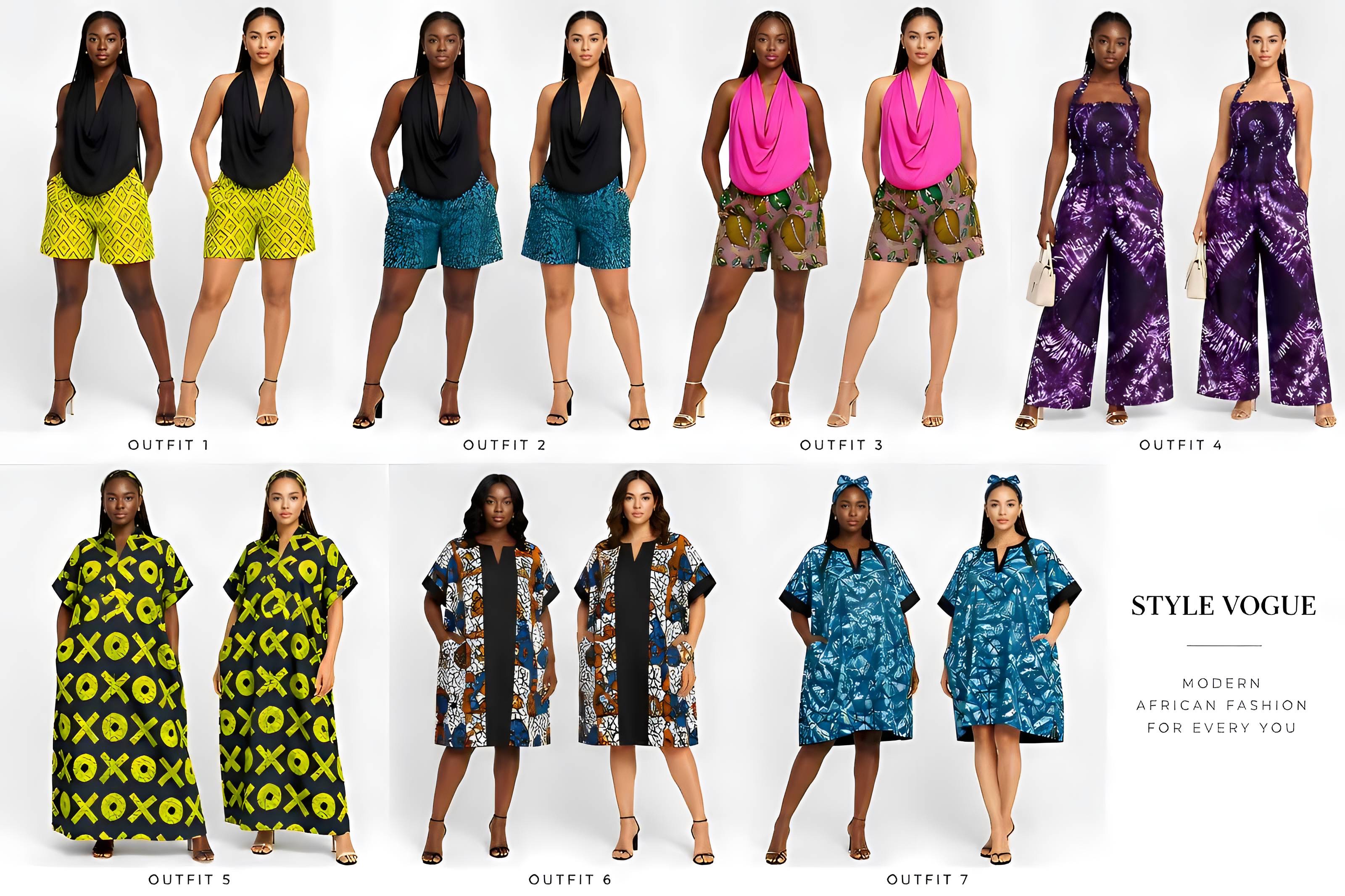
Created a premium editorial commerce experience inspired by contemporary luxury fashion storefronts. The visual system uses ivory, black, warm beige and taupe with restrained accent tones, large fashion imagery, generous whitespace and strong typographic hierarchy. Particular attention was given to mobile usability, product interaction states, category discovery, product selection, cart clarity and checkout flow.
Technical details

Technical overview

Style Vogue uses a modern Next.js App Router architecture with React and TypeScript on the frontend. The commerce interface is component-driven and responsive, while Supabase PostgreSQL and Prisma provide the foundation for persistent commerce data. The architecture separates storefront presentation, commerce state and database concerns to support future expansion.

Architecture

The application uses reusable storefront components and dynamic routes for product experiences. Product variants are modeled independently to support size, color and stock-aware commerce behavior. Cart lines preserve variant identity, while the database architecture separates catalog, customer, order and payment concerns for maintainability and future expansion.

State management

The cart uses client-side state with synchronization mechanisms to maintain product and variant selections. Cart lines are variant-aware, quantities respect available inventory, and cross-tab synchronization keeps the shopping state consistent across browser sessions.

Data flow

Storefront interactions move from product discovery through variant selection into cart state and checkout. Commerce records are structured around products, variants, customers, orders, order items and payments, creating a foundation for persistent transaction processing and future administrative workflows.

Performance

The application uses Next.js optimized rendering and responsive image handling to support fast, image-heavy fashion pages. Reusable components and responsive layouts reduce unnecessary duplication while maintaining a consistent storefront experience.

Responsive design

The storefront was designed and tested for desktop, tablet and mobile experiences, with responsive navigation, product grids, imagery, product controls, cart layouts and checkout forms.

Testing / QA

Functional testing covered navigation, product browsing, category filters, product variant selection, quantity controls, cart operations, checkout validation, responsive layouts and production deployment behavior.

Infrastructure

Infrastructure

The application is deployed through Vercel with Git-based source control and production deployment workflows. Supabase provides the PostgreSQL backend infrastructure, while Prisma provides the relational data-modeling layer.

Hosting

Vercel

Deployment

Production deployments are managed through Vercel from the project's Git repository, providing optimized Next.js builds and a repeatable deployment workflow.

Skills used

Skills

  • Next.js
  • React
  • TypeScript
  • Tailwind CSS
  • Supabase
  • PostgreSQL
  • Prisma ORM
  • Responsive Web Design
  • Frontend Development
  • Full-Stack Development
  • E-commerce Development
  • UI Engineering
  • UI/UX Implementation
  • Database Design
  • State Management
  • Git
  • GitHub
  • Vercel
  • Performance Optimization
  • Responsive Testing

Challenges solved

01

Maintaining an editorial luxury aesthetic while supporting practical e-commerce interactions

02

Creating responsive layouts across desktop

03

tablet and mobile

04

Managing products with multiple size and color variants

05

Maintaining correct cart quantities and variant identity

06

Synchronizing cart state across browser tabs

07

Preserving stock-aware shopping behavior

08

Building a scalable relational commerce data model

09

Creating a checkout experience that remains simple on mobile devices

10

Balancing motion and visual effects with usability

11

Preparing the platform for future CMS

12

payment and inventory expansion

Results / Impact

01

Production-ready responsive fashion storefront

02

Complete product browsing and product-detail experience

03

Functional variant-aware shopping cart

04

Responsive checkout and order-confirmation workflow

05

Scalable relational commerce database architecture

06

Reusable component-driven frontend

07

Production deployment through Vercel

08

Foundation for future admin

09

inventory and payment functionality

Outcome

Outcome summary

The result is a production-deployed fashion commerce experience that combines a premium editorial interface with functional product discovery, variant-aware shopping, cart and checkout workflows. The project also establishes a scalable technical foundation for continued development of inventory management, order administration, content management and payment capabilities.

Live Project

Next project

Prisca.Dev

Web Development · Portfolio · CM

Available for new projects

Have a project in mind?

Start a project